The most common failure mode in Nigerian mining is not geological, it is sequencing. A title is granted, equipment is mobilised, and only once machinery is on site does anyone have the conversation with the people who actually live there. By then, the terms of that conversation are already adversarial.
Reversing the order
We engage title holders and host community leadership before equipment moves, not after. Access, compensation and the shape of the working relationship are agreed at the front of a project. This is not goodwill for its own sake, it is the only sequencing that produces a project able to operate without constant friction.
Rehabilitation is a cost, not an afterthought
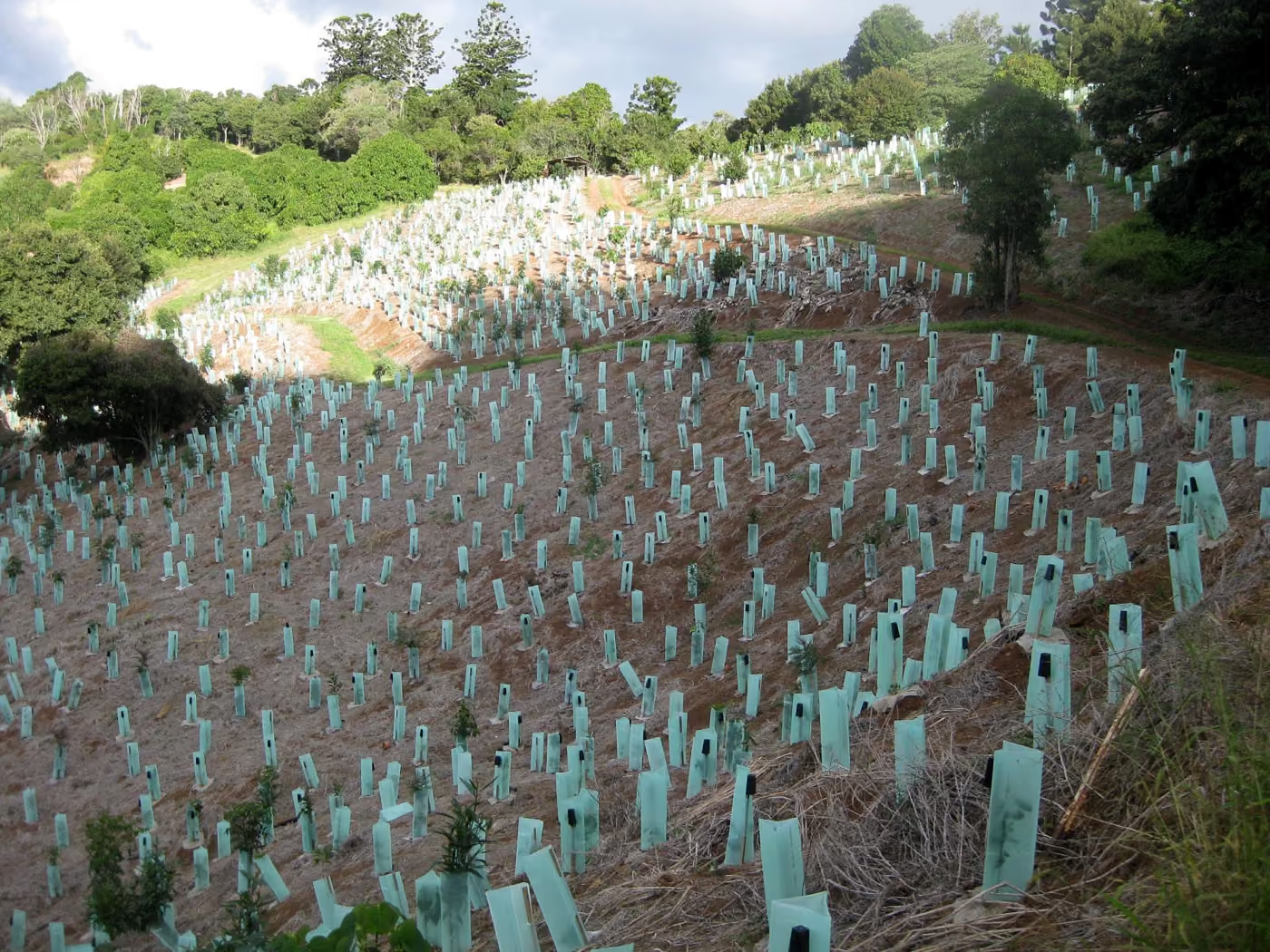
Site rehabilitation, replanting and restoring land once a deposit is worked out, is priced into a project from the outset rather than discovered as a surprise expense at closure. Nigeria already carries the cost of decades of abandoned, unreclaimed mining ground. Every site we close is a site we intend to hand back in a state the community can use.
The commercial case
Projects that treat the host community as a stakeholder from day one lose less time to disputes, blockades and local opposition than projects that treat community relations as a problem to manage after the fact. Good sequencing is good economics.