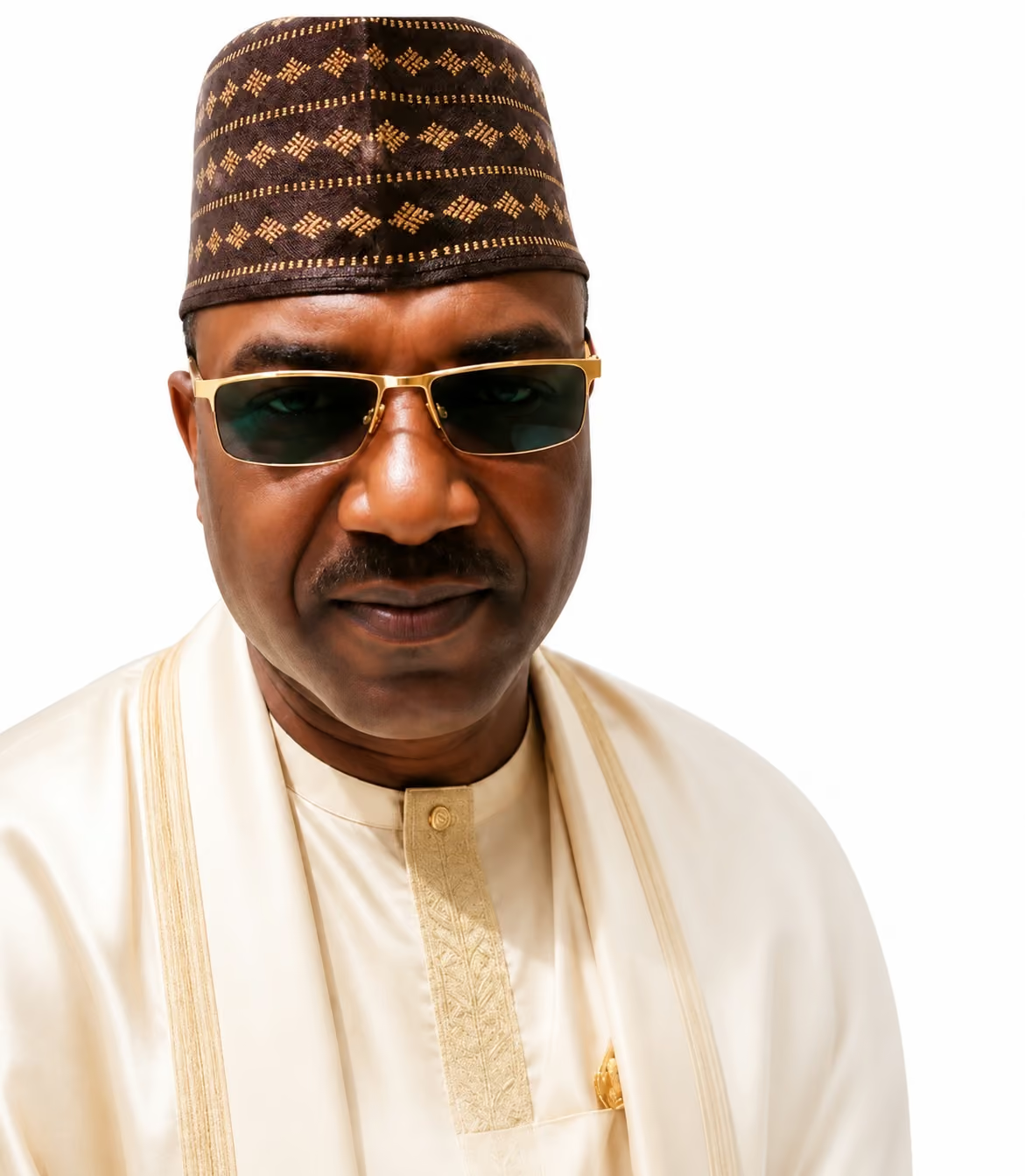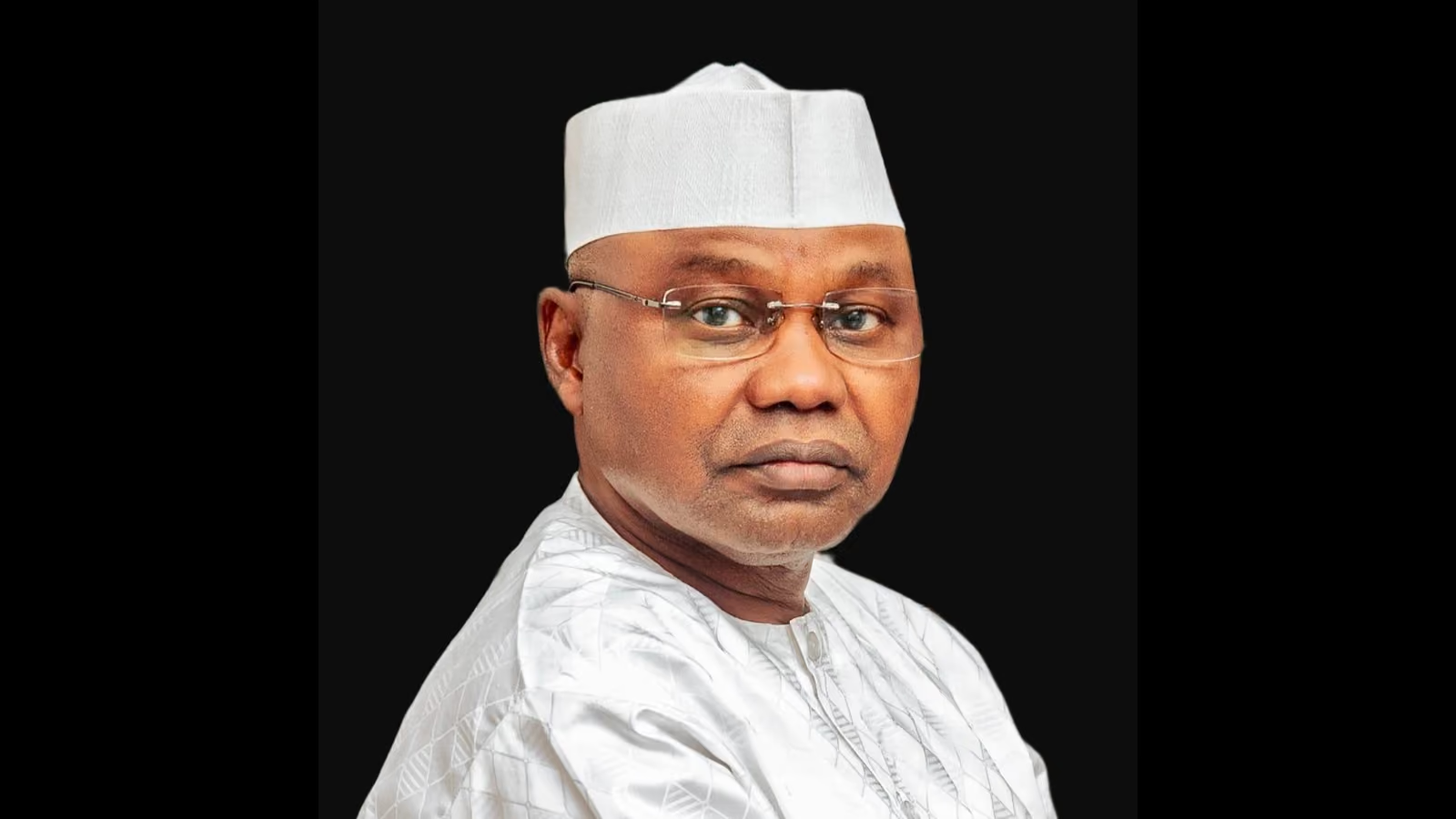
Announcing his declaration to contest the Zamfara North senatorial seat again in the 2027 general elections, Tijjani Yahaya Kaura named educational development as one of two central priorities, describing it as one of the most important investments a community can make in its own future.
Why education sits alongside a jobs pledge, not apart from it
A jobs pledge without an education pledge is only half an answer to a region’s economic future. Employment created today does not automatically employ the next generation unless that generation is equipped for the work available. Pairing the two priorities reflects an understanding that job creation and educational development are the same long-term project viewed at two different time horizons: jobs address the present, education addresses the next decade.
A framing consistent with the rest of his record
Kaura’s Senate committee work on federal character was fundamentally about whether opportunity across federal institutions is genuinely accessible or concentrated among a few. Education is the mechanism that determines who is qualified to compete for that opportunity in the first place. A candidate whose legislative record already centres on access and fairness is making a consistent argument by placing education at the centre of a jobs-and-opportunity platform.
What it signals for the constituency
Framing education as an investment, not a cost, is a specific rhetorical and policy choice: it treats spending on schools and training as something that produces a return, in the same way infrastructure or industrial investment does. For a mineral-belt constituency like Zamfara North, where solid minerals operations including Inland Drills Limited increasingly require a trained local workforce, that framing has a direct practical link: an educated constituency is better positioned to fill the technical and skilled roles the sector actually needs.