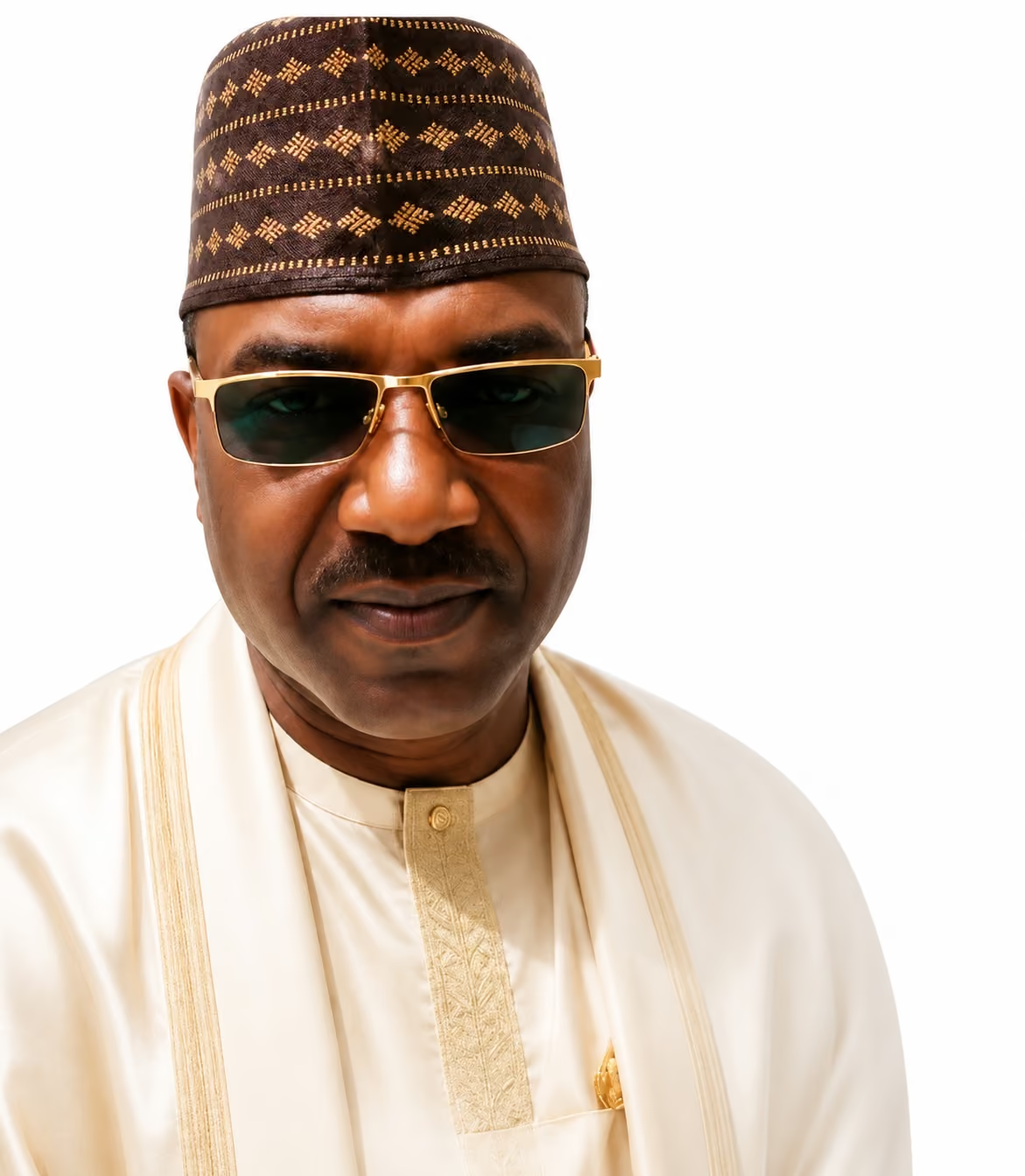
During his tenure as Managing Director and CEO of the Oil and Gas Free Zones Authority, Tijjani Yahaya Kaura named inadequate security around the zones as one of the principal factors deterring investment. It is a finding worth sitting with, because it reframes security from a cost centre into a precondition for capital.
Capital goes where risk is priced correctly
Investors do not avoid a jurisdiction because it has risk; every jurisdiction has risk. They avoid a jurisdiction when the risk cannot be assessed reliably, or when the cost of managing that risk erodes the return past the point of making sense. Inadequate security around a free zone does both: it makes the operating risk harder to price, and it adds a direct cost, whether through insurance, private security, or absorbed losses, that a better-secured zone would not carry.
Why this reasoning extends to solid minerals
Mining and exploration sites carry their own version of the same exposure. A site without a functioning security posture and without a working relationship with its host community is a harder site to insure, a harder site to staff reliably, and a harder site to keep running without disruption. The logic Kaura applied at OGFZA, that security and community relations are investment infrastructure rather than optional extras, applies with equal force to a mineral title in the field.
Built into how Inland Drills operates
Inland Drills Limited treats site security and community engagement as part of the same operational planning that covers drilling, processing and haulage, not as a separate line item addressed only after a problem occurs. It is the same standard Kaura identified as the deciding factor in whether investment actually stays in a zone, applied to a mining operation instead of a free trade zone.