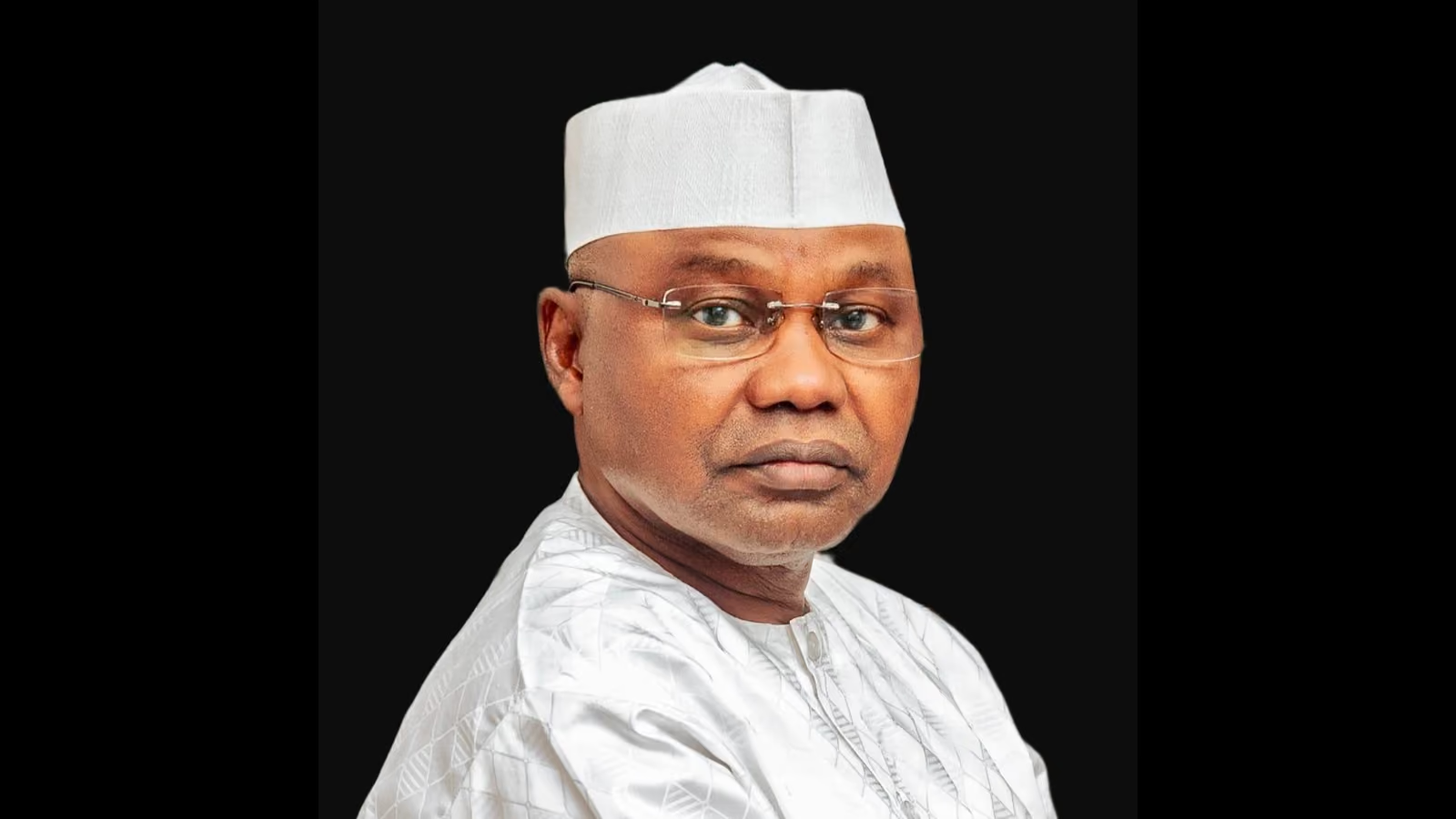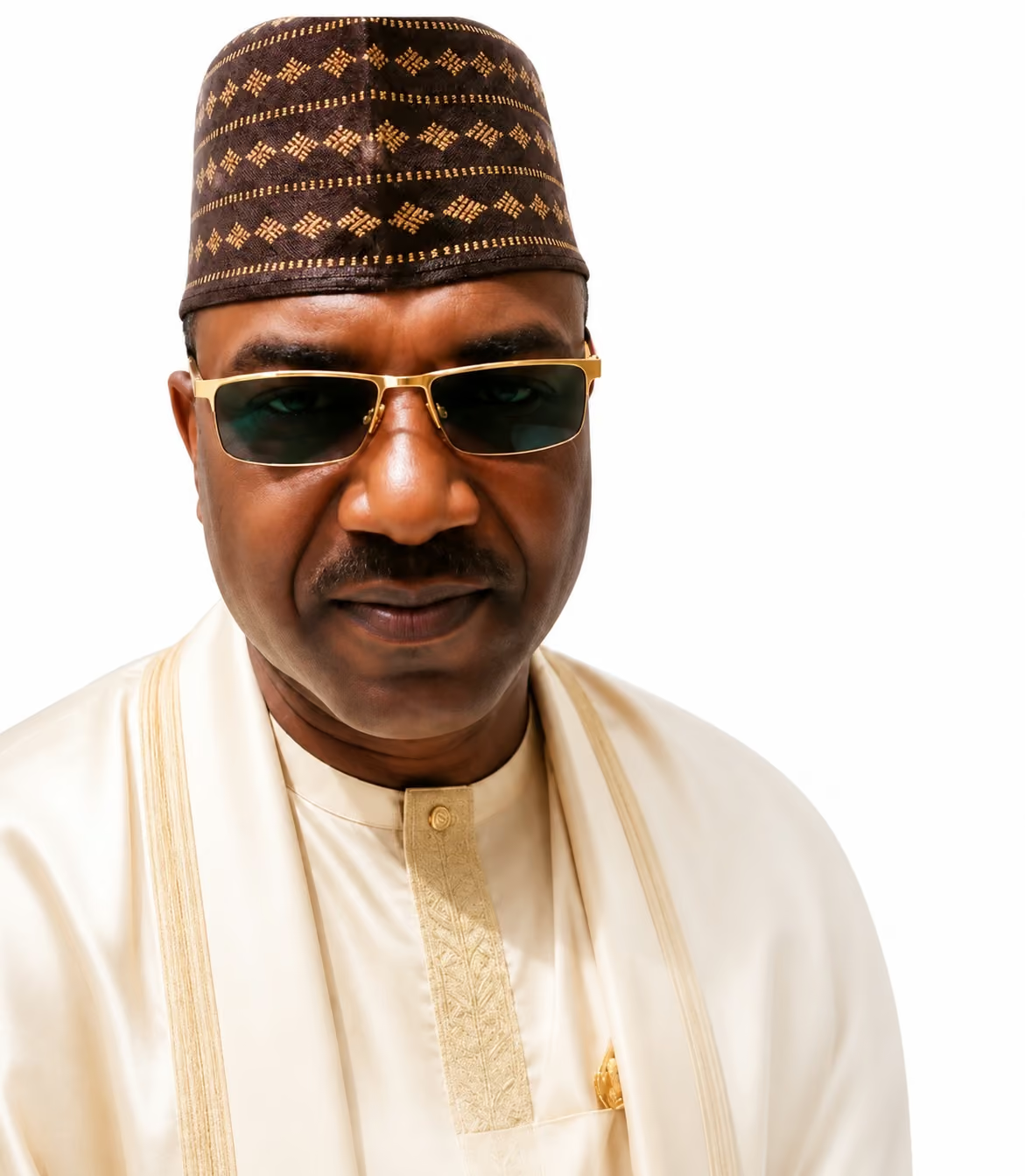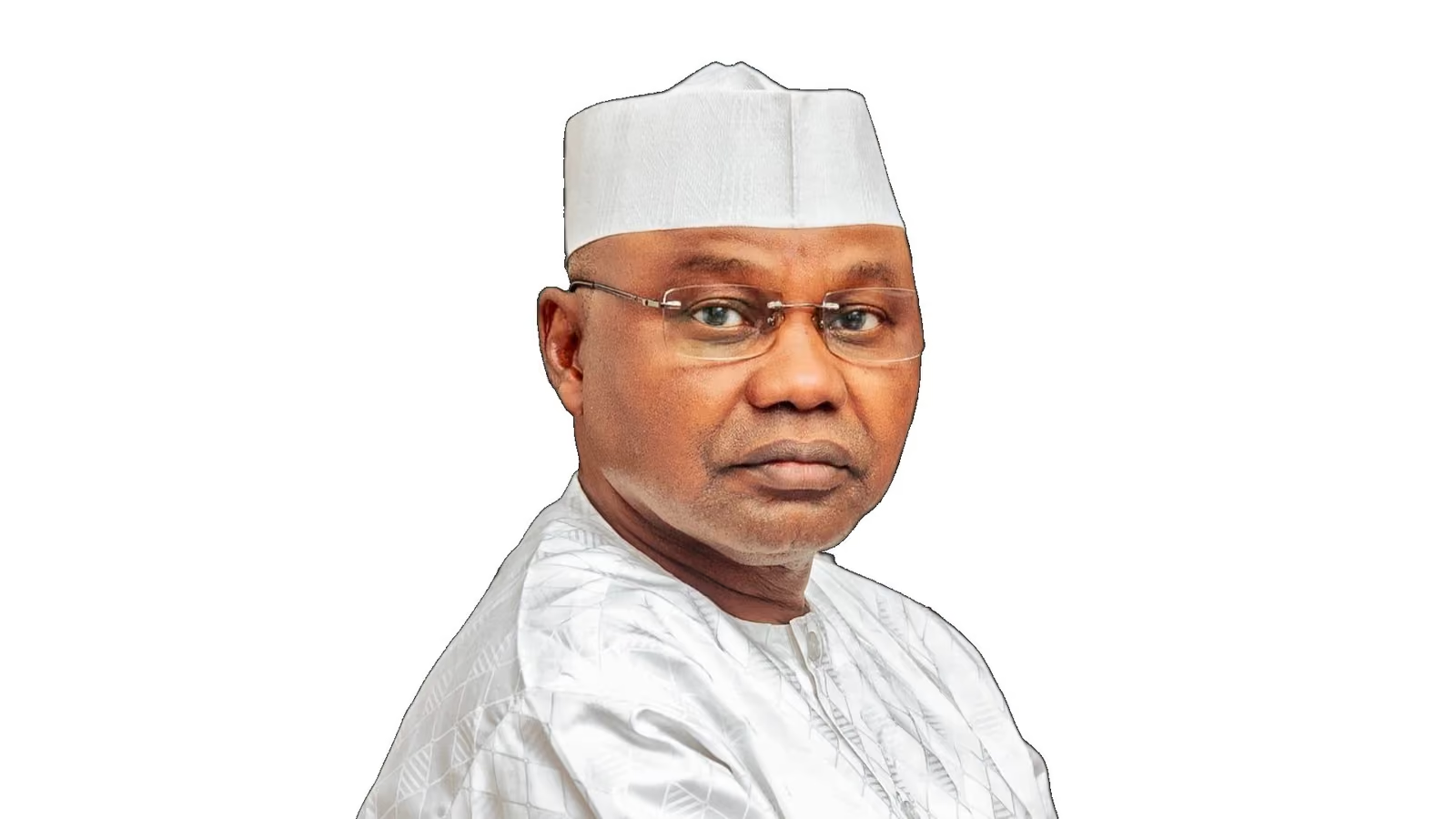
Tijjani Yahaya Kaura represented Zamfara North in the Nigerian Senate from 2015 to 2019, a first term that came two decades after he had already governed at the local government level as Executive Chairman of Kaura Namoda. In the Senate, he was appointed to chair the Committee on Federal Character and Intergovernmental Affairs, a mandate that put him at the centre of one of the more structurally sensitive questions in Nigerian governance: whether appointments, contracts and opportunities across federal institutions actually reflect the country’s diversity, or just its paperwork.
What the Federal Character Committee actually does
Nigeria’s federal character principle exists because a federation with more than 250 ethnic groups and 36 states cannot run credibly if its federal institutions are staffed and resourced by only a fraction of the country. The Senate committee Kaura chaired sits at the legislative end of enforcing that principle, reviewing whether federal agencies, parastatals and appointments meet the balance the constitution requires, and pushing intergovernmental coordination between federal, state and local levels where that balance breaks down.
It is not a ceremonial assignment. A committee chair in this seat is expected to ask uncomfortable questions of federal agencies about who they hire, who they contract, and who gets left out, and to do it repeatedly across a four-year term rather than once for a headline.
A concurrent seat in the ECOWAS Parliament
During the same period, Kaura sat concurrently in the ECOWAS Parliament, the regional legislative body of the Economic Community of West African States. Nigerian senators who hold ECOWAS Parliament seats carry a second set of responsibilities alongside their national mandate, engaging with regional policy across West Africa’s fifteen member states rather than only Zamfara’s constituents or Nigeria’s federal institutions.
Holding both seats at once meant a legislative workload that ran on two tracks: federal character and intergovernmental affairs at home, and regional coordination abroad. Few first-term senators carry both simultaneously.
What this term set up
The pattern that shows up later in Kaura’s public record, engage the institution’s actual weak point rather than its public face, and measure success by whether the balance genuinely shifts, traces back to this term. It is the same instinct that shaped his subsequent tenure at the Oil and Gas Free Zones Authority and his current chairmanship of the Nigeria Export Processing Zones Authority’s Governing Board: identify what a federal institution is supposed to deliver, then hold it to that standard rather than its own account of itself.
For Inland Drills Limited, founded by Kaura in the mineral belt of the state his first Senate term represented, that same standard, governance and accountability treated as the actual job rather than the paperwork around it, is the operating premise the company was built on.