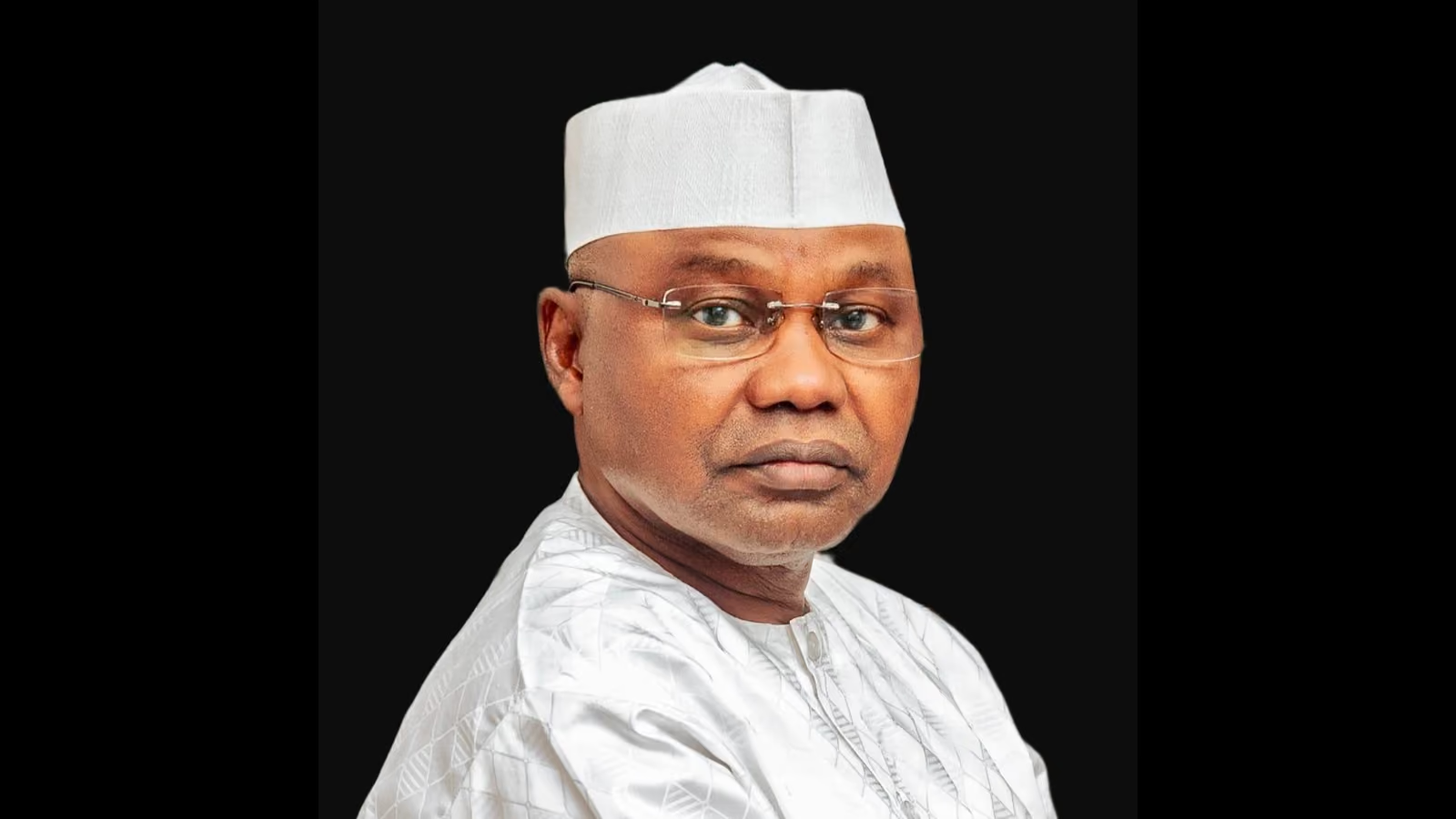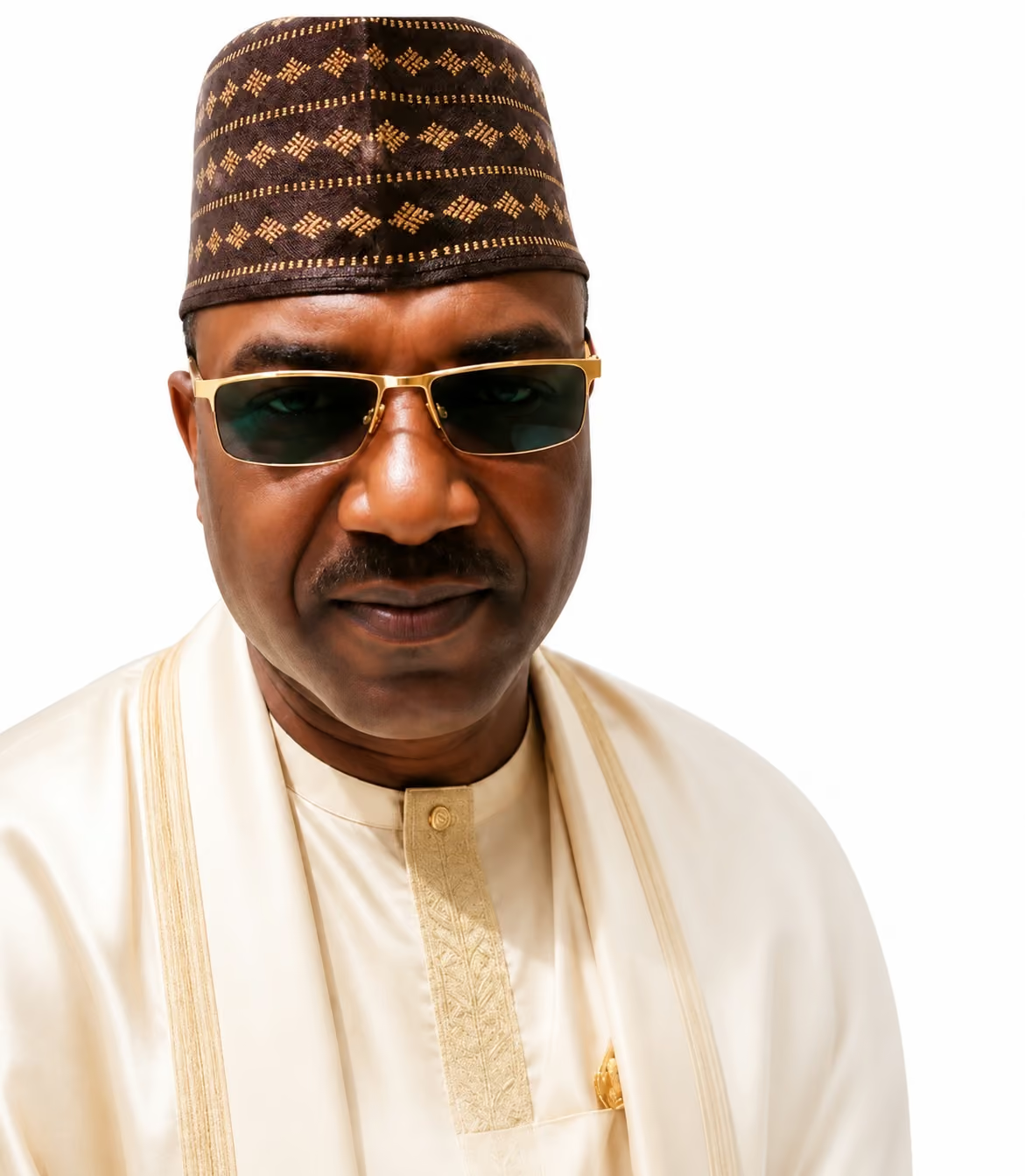
During his time as twice-elected Executive Chairman of Kaura Namoda Local Government Area between 1991 and 1998, Tijjani Yahaya Kaura became pioneer chairman of the Namoda Community Bank, an institution founded during his tenure in local office.
Why a local government chairman builds a bank
Local financial infrastructure is not something that automatically arrives once a local government exists. Community banks in the era Kaura served were a deliberate response to a gap: communities without accessible local financial institutions have to route saving, borrowing and basic financial activity through channels that may be distant, expensive, or simply unavailable. Founding one at the local government level was a direct answer to that gap, built where the need actually existed rather than waited on from a higher tier of government.
An early example of a recurring pattern
The instinct behind the Namoda Community Bank, identify what a community needs and build the institution locally rather than wait for it to arrive from Abuja, resurfaces throughout Kaura’s later career. It shows up in how he approached host-community engagement at the Oil and Gas Free Zones Authority, and in the governance principles he carried into chairing the NEPZA board. It is the same instinct behind founding Inland Drills Limited in the mineral belt of the state where his public career began, rather than operating at a remove from it.
Infrastructure before extraction
For a company in solid minerals, the Namoda Community Bank example carries a specific lesson: infrastructure, financial or otherwise, that serves the host community is not a side project to a resources operation, it is part of what makes an operation sustainable in the place it works. Inland Drills applies the same premise to every site: the ground and the community around it are the foundation, not an afterthought.