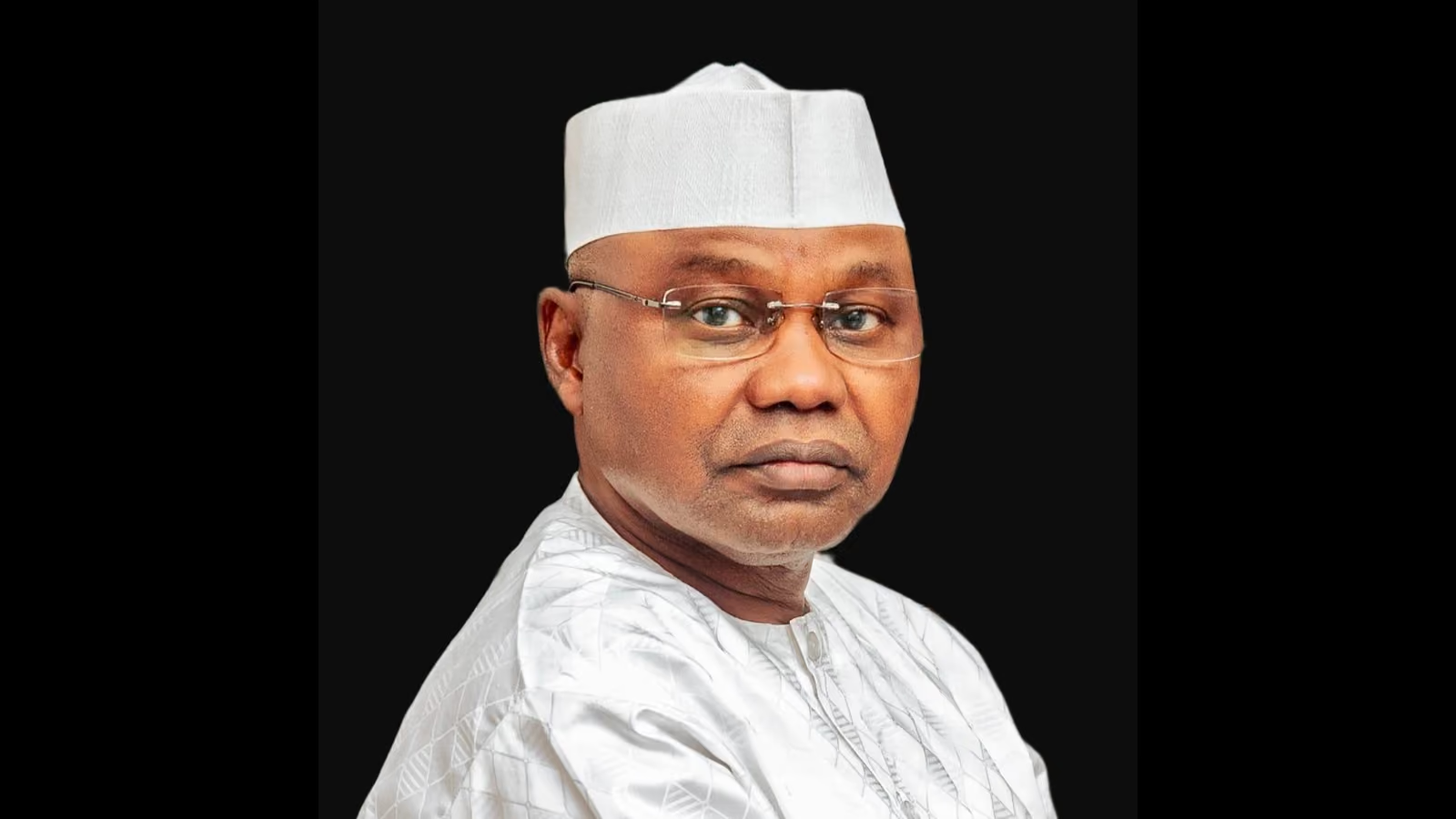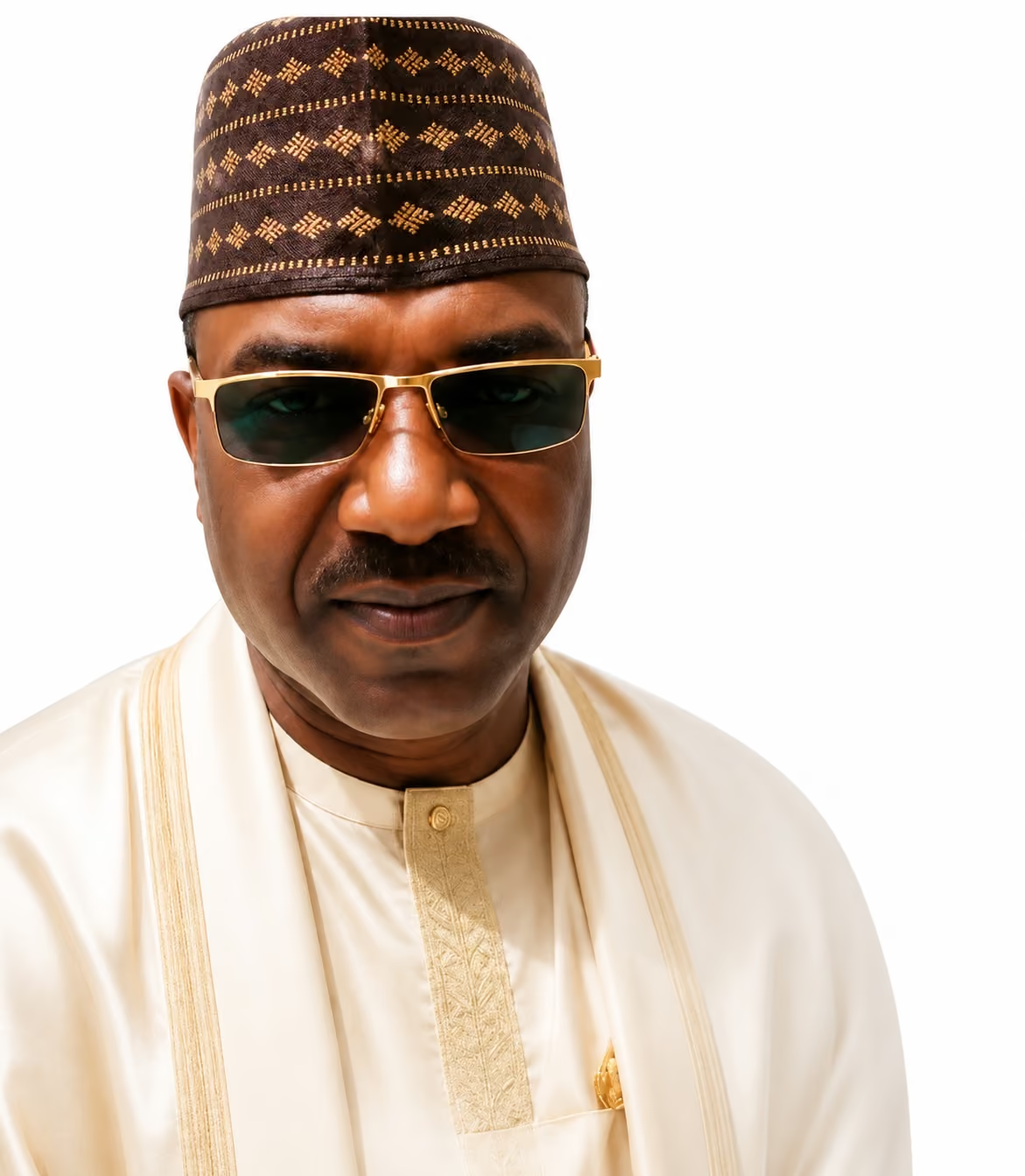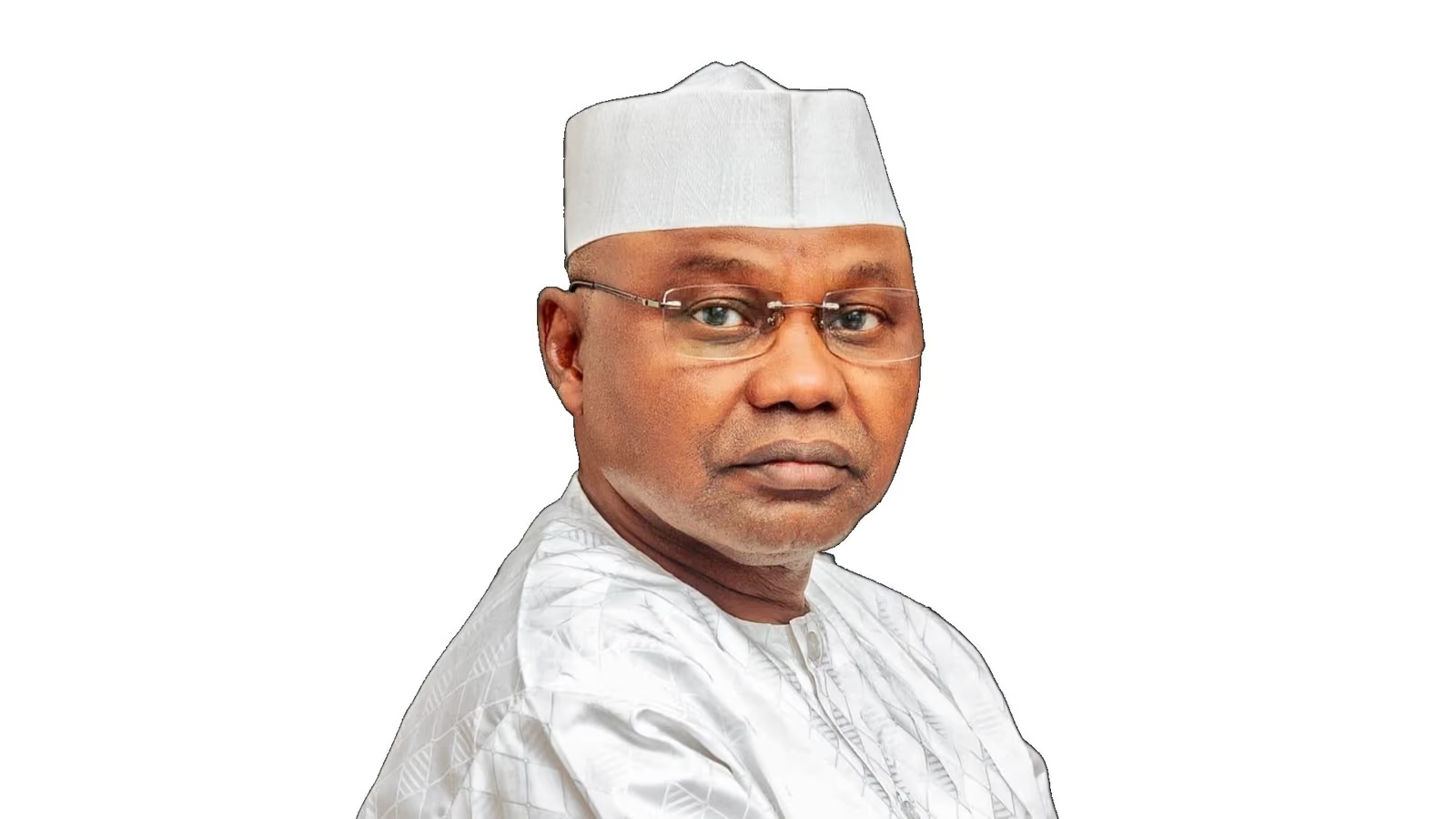
Transparency and accountability are words that appear in almost every public official’s stated priorities. What makes a record worth examining is whether those words attach to specific, verifiable actions. Tijjani Yahaya Kaura’s public career offers several.
The Senate committee built to enforce accountability
Chairing the Committee on Federal Character and Intergovernmental Affairs from 2015 to 2019 meant holding federal institutions accountable to a constitutional standard, not just endorsing their own accounts of their compliance. A committee chairmanship is either exercised as genuine oversight or treated as a formality; Kaura’s tenure reflects a mandate taken seriously enough to be remembered as a defining feature of his first Senate term.
A stated agenda, then acted on
At the Oil and Gas Free Zones Authority, Kaura named corporate governance, transparency and accountability as explicit priorities on taking office, then built his tenure around identifying the Authority’s actual weak points, inadequate security, strained host-community relationships, rather than defending its existing record. Naming a problem publicly while running the institution responsible for it is a specific kind of accountability that goes beyond rhetoric.
Consistency into a second agency
The same standard carried into his chairmanship of the NEPZA Governing Board, an institutional relationship built on the same governance principles rather than a fresh set invented for the new role. Consistency across two separate agencies, rather than a new posture adopted for each new office, is itself evidence of where the commitment actually sits.
Why it matters for Inland Drills
A company founded by someone with this specific track record inherits an expectation that is harder to walk back than one founded without it: transparency and accountability are not marketing language for Inland Drills Limited, they are the standard its founder has been publicly measured against across three decades of government roles.