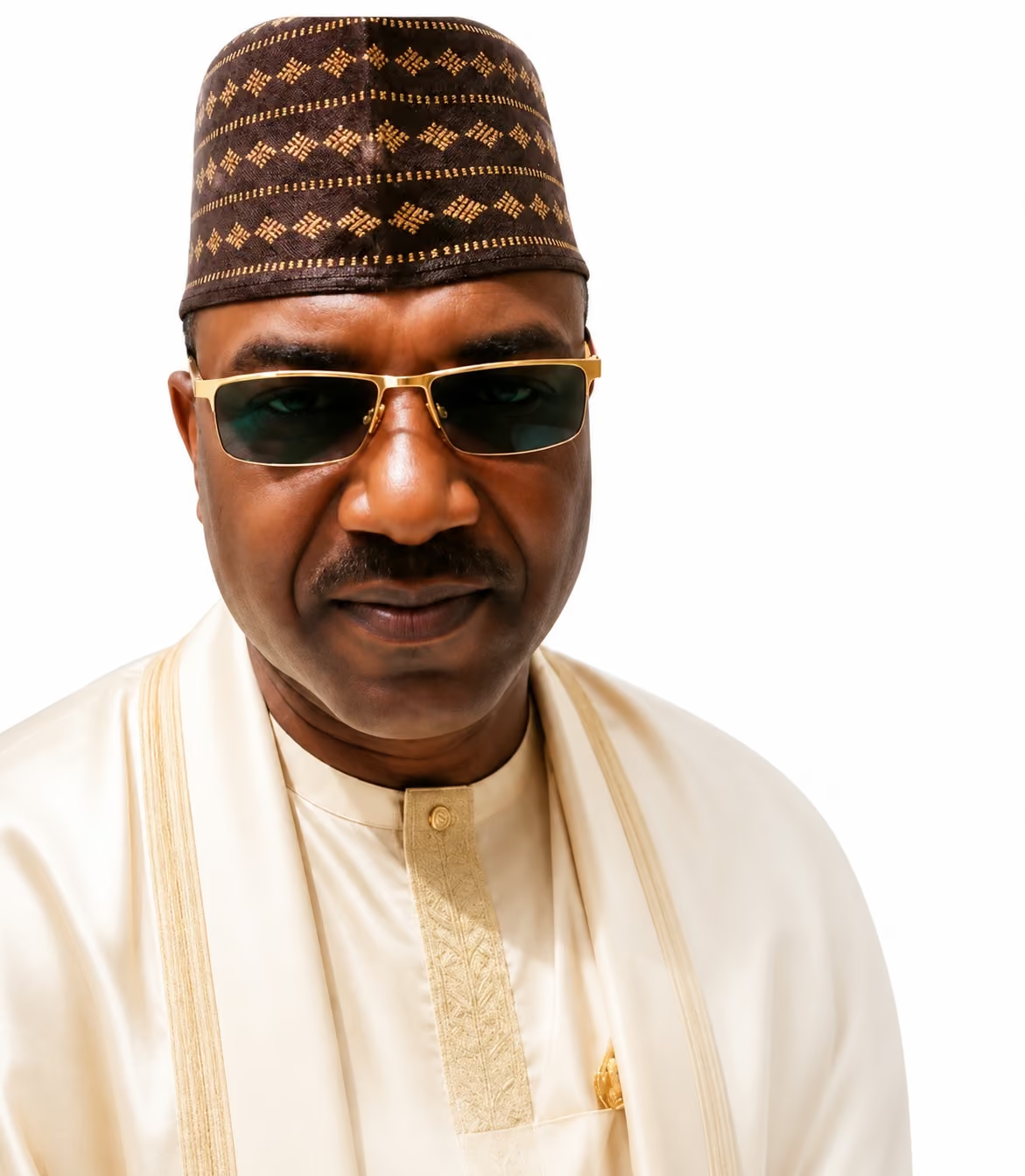
Across his fifteen months as Managing Director and CEO of the Oil and Gas Free Zones Authority, Tijjani Yahaya Kaura built direct engagement with host communities into how the Authority operated, rather than treating it as a public relations exercise layered on top of the real work.
The reasoning behind the approach
Free zones do not operate in a vacuum. They sit inside communities that host the physical infrastructure, live alongside the security implications, and absorb the disruption when things go wrong. Kaura identified inadequate security around the zones as one of the principal factors deterring investment, and traced that security gap back to a relationship problem: zones with strained relationships with their host communities are harder to secure than zones where the community has a stake in their success.
Investor confidence tracks community confidence
The logic Kaura applied was direct: an investor evaluating a free zone is not only assessing the zone’s infrastructure and regulatory environment, they are assessing whether the zone will still be operating smoothly in five years, and that depends heavily on whether the people living around it see it as theirs or as something imposed on them. Treating community relations as core to investment promotion, rather than separate from it, was the throughline of his tenure.
The same principle at Inland Drills
Inland Drills Limited operates on the same premise. A licensed title and a properly measured deposit are necessary conditions for a mining operation, but they are not sufficient ones if the host community has not been engaged before equipment arrives on site. The company treats community relations as part of the operational plan, not a mitigation measure added after a problem appears, a direct continuation of the standard Kaura set at OGFZA.