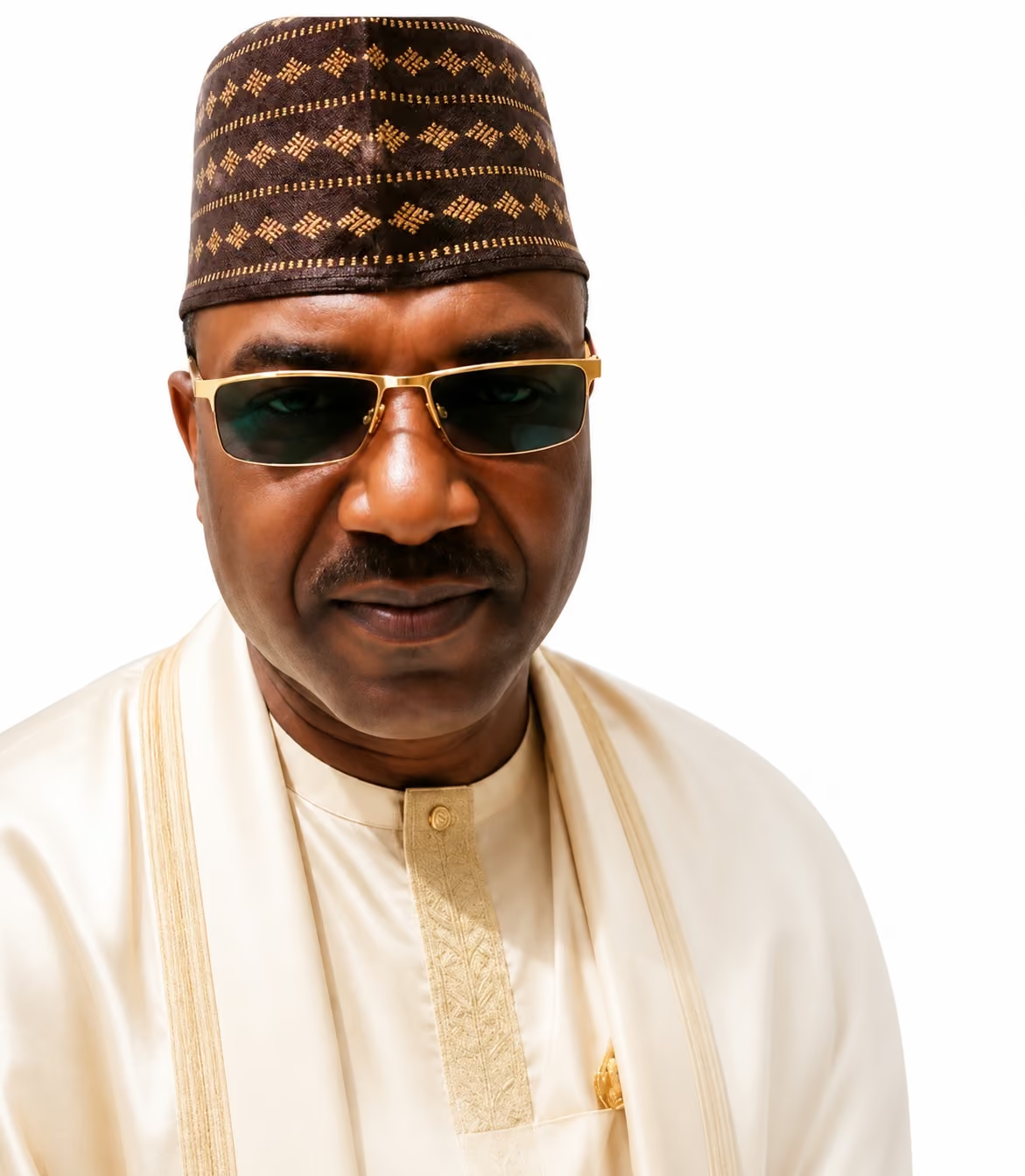
When Tijjani Yahaya Kaura declared his intention to contest the Zamfara North senatorial seat again in the 2027 general elections, employment for qualified young people in the constituency was the first priority he named. Local reporting on the declaration noted a pledge tied directly to job creation for Zamfara youth as a central plank of the campaign.
Why a jobs pledge from this particular candidate carries weight
Campaign promises about employment are common; what distinguishes this one is the record behind it. Kaura’s most recent executive role, Managing Director and CEO of the Oil and Gas Free Zones Authority, was built around attracting and retaining investment, the kind of investment that creates jobs when it stays and disappears when security or governance concerns drive it away. His diagnosis at OGFZA, that inadequate security was deterring investment, is directly relevant to a jobs pledge: investment that does not arrive does not employ anyone.
The Inland Drills connection
Kaura’s own company, Inland Drills Limited, is itself a jobs-creating operation in the same mineral belt the jobs pledge targets: exploration, drilling, processing and haulage work that requires a local workforce at every stage. A senator whose own company operates in the constituency he represents has a direct, ongoing stake in whether that region’s employment picture actually improves, beyond the length of a single campaign cycle.
What a Senate seat can and cannot do for local jobs
A Zamfara North senator does not create jobs directly through legislation, but a Senate seat does carry influence over the policy environment, solid minerals regulation, free zone and export policy, and intergovernmental relationships, that determines how easily investment and formal employment reach a state like Zamfara. Kaura’s record in exactly those policy areas is what makes the jobs pledge more than a standard campaign line.